
President Donald Trump has repeatedly declared that Iran has agreed to surrender its stockpile of highly enriched uranium as part of a broader peace deal to end hostilities in the Middle East. While Iran has rejected these assertions and insists no final agreement exists, the possibility of the U.S. acquiring and removing the material has already begun influencing investor sentiment and commodity prices

What to know:
- Trump’s clear intention: The president has stated the U.S. will work “at a leisurely pace” with Iran to excavate the buried uranium using heavy machinery and transport it to America, with no money exchanged for the material itself.
- Market optimism on de-escalation: A successful transfer would reopen the Strait of Hormuz permanently, stabilize oil supplies, and reduce geopolitical risk premiums across equities.
- Sector-specific ETF shifts: Broad stock indices and tech/growth ETFs are poised for gains, while energy and defense funds could see declines as tensions ease.
President Trump first made the claim on April 16, 2026, telling reporters and posting on Truth Social that Iran had “agreed to everything,” including halting all uranium enrichment indefinitely and handing over the stockpile buried under rubble from last year’s U.S.-Israeli strikes. He emphasized that negotiators would jointly dig up the material “very soon” and bring it back to the United States without any financial concessions tied directly to the uranium. Iran, however, has pushed back sharply, with officials stating the enriched uranium “is not going anywhere” and that talks remain in early stages.
The stakes are high for global energy markets. Iran recently reopened the Strait of Hormuz, through which roughly one-fifth of the world’s oil passes, signaling a fragile truce. If the uranium deal materializes, analysts expect a further drop in oil prices which would lower input costs for industries worldwide and boost corporate profits.
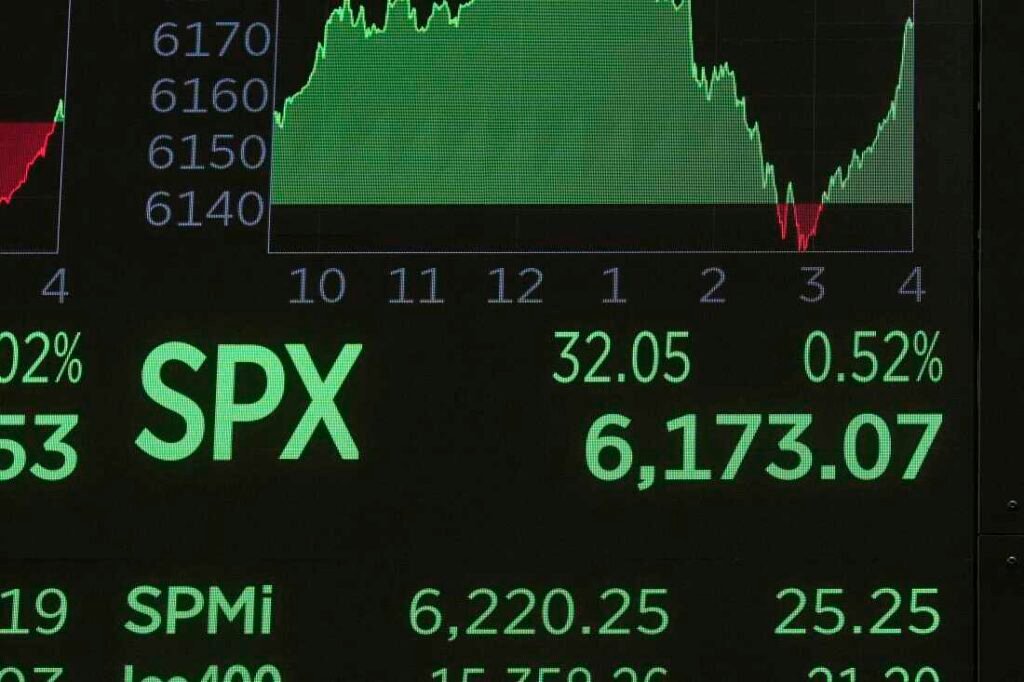
For investors, the scenario points to a classic “risk-on” environment. Major U.S. stock indices like the S&P 500 have already shown resilience and modest gains amid positive Trump comments, as reduced Middle East uncertainty encourages capital flows into equities rather than safe-haven assets. Technology-heavy ETFs such as those tracking the Nasdaq or Magnificent Seven stocks stand to benefit most from cheaper energy and higher investor confidence, while defense ETFs (focused on weapons contractors) and pure energy plays could underperform.
That said, the outcome remains uncertain. Tehran has denied key elements of Trump’s narrative, and any breakdown in talks could quickly reverse recent market calm, sending oil and gold prices higher while pressuring broader equities. Trump has warned that without a deal, the U.S. would secure the material “in a much more unfriendly form,” keeping volatility alive in the short term.
The 2015 JCPOA Nuclear Deal and Its Market Ripple Effects
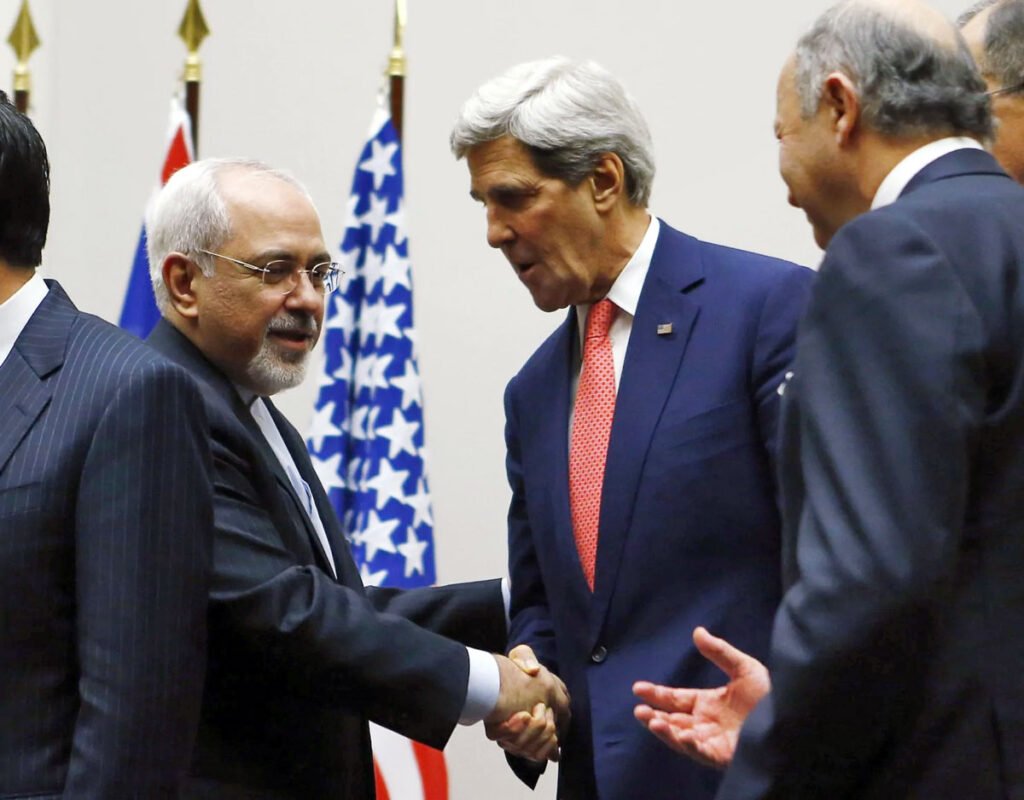
When the Joint Comprehensive Plan of Action (JCPOA) was signed in 2015, Iran agreed to limit its nuclear program in exchange for sanctions relief. Global stock markets reacted positively almost immediately, with the S&P 500 climbing more than 2 percent in the days following the announcement as investors priced in lower oil volatility and renewed trade opportunities. Energy ETFs saw temporary pressure from falling crude prices, but broader indices and industrials rallied on the reduced geopolitical premium.
The parallel to today’s situation is striking: just as the JCPOA temporarily stabilized energy markets and lifted risk appetite, a successful uranium handover under Trump could trigger a similar “peace dividend.” However, the 2015 deal’s eventual U.S. withdrawal in 2018 later caused renewed spikes in oil prices and defense stocks, reminding investors how fragile such agreements can be.
If history repeats, ETFs tracking global equities or semiconductors could mirror the post-JCPOA gains, while uranium and defense-focused funds might face headwinds. The key difference this time is Trump’s insistence on physical removal of the material rather than mere limits on enrichment, potentially offering even stronger long-term assurance to markets.
Leave a Reply