
The escalating Iran conflict has triggered a global energy shock, pushing oil and gas prices sharply higher and reigniting inflation pressures across major economies. As supply disruptions ripple through transport, food, and industry, policymakers now face renewed risks of prolonged inflation and slower growth.

What to know:
- Global energy supplies have been heavily disrupted, with up to 20% of oil and LNG flows affected due to attacks and the Strait of Hormuz blockade.
- Oil and gas prices have surged dramatically, with Brent crude exceeding $100 and gas prices rising ~50%, fueling inflation worldwide.
- Central banks are now on alert, warning that prolonged energy shocks could delay rate cuts and trigger further tightening.
The recent escalation of conflict involving Iran has rapidly evolved from a regional geopolitical crisis into a global economic shock, primarily through its impact on energy markets. Within weeks of the outbreak of hostilities, critical oil and gas infrastructure across the Gulf region came under attack, while the unprecedented blockade of the Strait of Hormuz disrupted one of the most important energy transit routes in the world. These developments have significantly reduced global supply, pushing energy prices sharply higher and creating ripple effects across nearly every sector of the global economy.
Oil markets reacted almost immediately to the supply disruption. Brent crude, which had been trading in the mid-$70 range just months earlier, surged past $100 and briefly approached $120 as fears intensified over prolonged shortages. At the same time, natural gas markets experienced even more severe volatility. The suspension of exports from Qatar—one of the world’s largest LNG suppliers—caused gas prices across Europe and Asia to spike by roughly 50% compared to the previous year. These sharp increases reflect not only the loss of supply but also the uncertainty surrounding how long disruptions may last and whether further escalation could remove additional capacity from global markets.
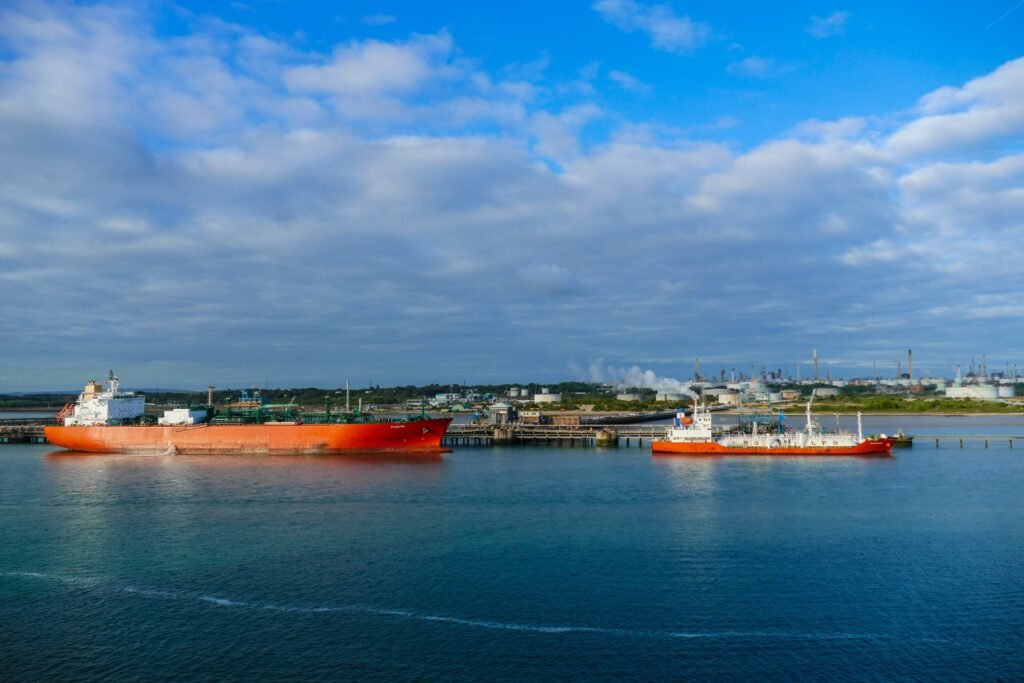
The consequences of rising energy prices extend far beyond fuel costs alone. One of the most immediate transmission channels is transportation, where higher oil prices translate into more expensive gasoline, diesel, and aviation fuel. As transportation costs rise, the price of moving goods increases, which in turn pushes up the cost of consumer products and food. This effect is particularly significant in globalized supply chains, where goods often travel long distances before reaching consumers. As a result, even countries far removed from the conflict are experiencing inflationary pressures linked directly to energy markets.
Another critical channel is food production. Modern agriculture relies heavily on energy inputs, from fuel used in machinery to natural gas used in fertilizer production. When energy prices rise sharply, farmers face higher operating costs, which are often passed on to consumers through increased food prices. This dynamic disproportionately affects developing economies, where food constitutes a larger share of household spending. At the same time, higher natural gas prices are increasing electricity costs in regions that depend on gas-fired power generation, placing additional strain on households and businesses already dealing with rising living expenses.
The inflationary impact is further amplified by supply chain disruptions. With the Strait of Hormuz partially blocked and security risks elevated, many shipping companies are avoiding key routes in the Middle East. Instead, vessels are being rerouted around longer paths, such as the Cape of Good Hope, increasing transit times and transportation costs. Insurance premiums for shipping through conflict zones have also risen significantly, adding another layer of expense. These logistical challenges are tightening global trade flows, contributing to higher prices for both raw materials and finished goods.
Central banks around the world are now facing a difficult balancing act. While many had previously been considering rate cuts as inflation began to moderate, the sudden surge in energy prices has introduced new uncertainty. Policymakers in the United States, Europe, and other major economies have signaled that they are prepared to tighten monetary policy if inflation remains elevated. However, raising interest rates in response to a supply-driven shock carries risks, particularly if economic growth slows at the same time. This creates the possibility of stagflation—a scenario characterized by high inflation and weak economic activity—which remains a key concern for global policymakers.
Beyond immediate economic impacts, the conflict also carries significant geopolitical and fiscal implications. Energy-exporting countries in the Gulf region are facing disruptions to production and export revenues, while energy-importing nations are dealing with higher import bills and widening trade deficits. Governments may be forced to implement subsidies or financial support measures to protect consumers from rising costs, placing additional pressure on public finances. Meanwhile, financial markets are increasingly pricing in geopolitical risk, contributing to volatility in equities, currencies, and commodity markets.
Looking ahead, the trajectory of global inflation will largely depend on how the conflict evolves. In a best-case scenario, a de-escalation could restore energy flows and stabilize prices, allowing inflation to gradually decline. However, if tensions persist or escalate further, energy prices could remain elevated or rise even higher, prolonging inflationary pressures and increasing the likelihood of economic slowdown. The current base case suggests a prolonged period of elevated energy costs, which would continue to weigh on global growth while keeping inflation above central bank targets.
The Iran conflict has demonstrated how quickly geopolitical tensions can translate into global economic disruptions. Energy markets serve as a critical transmission mechanism, amplifying local conflicts into worldwide inflationary shocks. As governments, businesses, and central banks navigate this uncertain environment, the key challenge will be to contain inflation without undermining economic stability. The coming months will be crucial in determining whether this energy shock remains a temporary disruption or evolves into a longer-term structural challenge for the global economy.
Leave a Reply