
Artificial intelligence is becoming a strategic weapon. As global powers invest billions in AI technologies, a new technological arms race is beginning to reshape warfare and international influence.
What to know:
- Artificial intelligence is becoming a strategic military technology. Countries that lead in AI could gain major advantages in intelligence gathering, battlefield analysis, and rapid decision-making.
- AI is already being used in modern warfare. Autonomous drones, AI-powered target recognition systems, and battlefield prediction models are helping militaries analyze data and respond to threats faster.
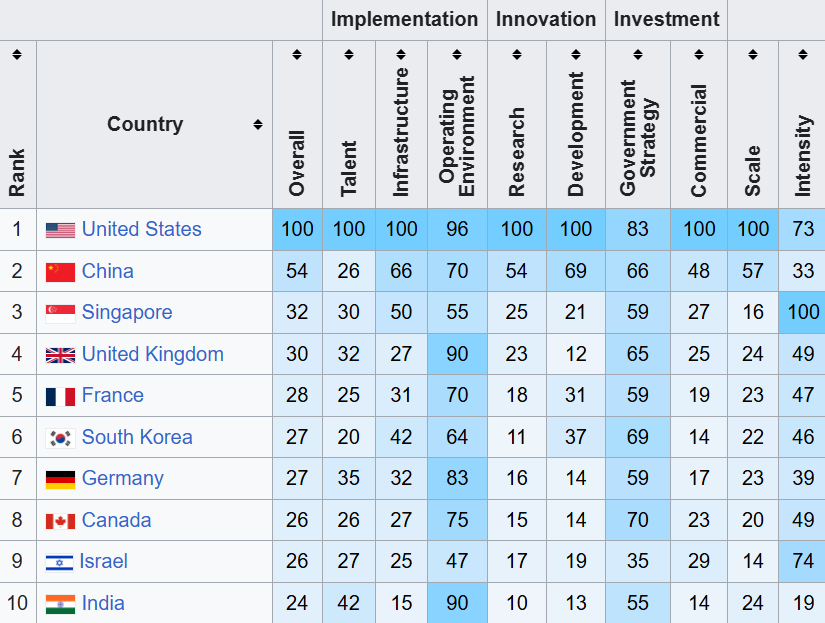
- A global AI arms race is underway. Major powers — especially the United States and China — are investing heavily in AI research, advanced chips, and computing infrastructure to secure technological and military dominance.
Artificial intelligence is quickly becoming one of the most important technologies shaping global power. Governments increasingly see AI not just as a tool for innovation, but as a critical asset for national security and geopolitical influence.
Throughout history, technological breakthroughs have reshaped the balance of power. The invention of gunpowder, the development of nuclear weapons, and the rise of cyber warfare all transformed how nations compete and defend themselves. Today, AI represents the next major shift, one that is less visible, but potentially more powerful.
Unlike traditional weapons, AI operates in the realm of data, algorithms, and computation. Its strength lies not in physical destruction, but in information dominance — the ability to understand, predict, and act faster than any opponent.
Why AI Is Becoming a Strategic Weapon
Artificial intelligence has become strategically valuable because of its ability to process massive amounts of information quickly. Modern military systems generate enormous volumes of data from satellites, radar systems, drones, and communications networks. AI systems can analyze this information far faster than human analysts.
This capability allows militaries to identify patterns and threats that would otherwise be difficult to detect. For example, AI can scan satellite images to locate military equipment or unusual troop movements. Analysts can then monitor large regions in near real time.
AI also improves surveillance by combining information from multiple sources. Data from drones, satellites, and sensors can be fused together to create a detailed picture of battlefield activity. This provides intelligence agencies with a broader and more accurate understanding of events.
Perhaps the most important advantage of AI is speed. Military decisions that once took hours or days can now be made in minutes. This concept, often called decision superiority, may determine which side gains the upper hand in modern conflicts.
Intelligence, Surveillance, and Data Fusion
One of AI’s most important roles in modern warfare is improving intelligence and surveillance.
AI systems can combine data from multiple sources into a single, coherent picture of battlefield activity. This process, known as data fusion, allows analysts to see connections that would be difficult to identify using isolated data streams.
For example:
- Drone footage may show movement on the ground
- Satellite imagery may reveal structural changes
- Signal intelligence may detect communications
AI can integrate all of this into a unified analysis, providing a clearer and more accurate understanding of what is happening in real time.
This level of insight was previously impossible at scale.
AI-Assisted Targeting Systems in the Gaza Conflict
Artificial intelligence has also been used to assist military targeting operations. During the Gaza conflict, the Israel Defense Forces reportedly used AI systems that analyze large volumes of surveillance data to recommend potential targets.
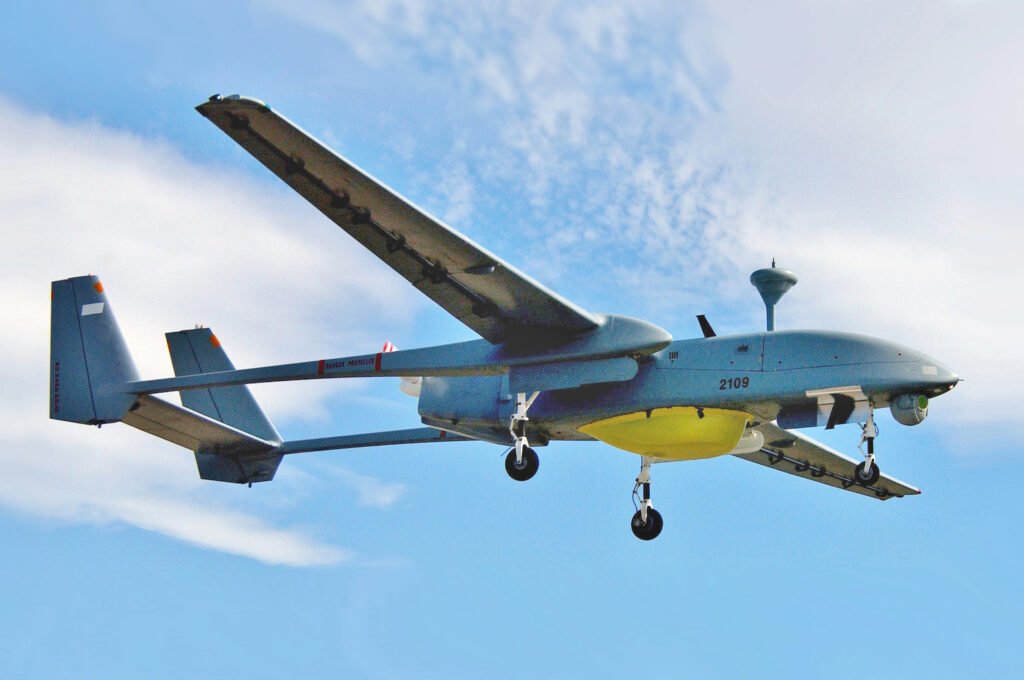
One such system processes intelligence from drones, satellites, and communications intercepts to identify buildings, equipment, or individuals suspected of being linked to hostile groups. Human analysts review the recommendations before deciding whether to approve strikes.
Supporters argue that such systems increase operational efficiency, while critics warn that relying heavily on algorithmic recommendations could increase the risk of mistakes or civilian harm.
Leave a Reply