
Taiwan Semiconductor Manufacturing Company reported that its June revenue jumped 68% from a year earlier, an unusually sharp acceleration that underscores just how much of the global economy now runs through the world’s largest contract chipmaker. The figures, released ahead of TSMC’s second-quarter earnings report on July 16, point to another quarter of record profit driven almost entirely by demand for chips that power artificial intelligence systems.

What to know:
- TSMC’s June revenue hit NT$442.68 billion (roughly US$13.8 billion), up 6.2% from May and 67.9% from a year earlier.
- First-half 2026 revenue totaled NT$2.4 trillion, a 35.6% increase over the same period last year.
- Analysts expect TSMC’s second-quarter revenue to reach about $39.62 billion, up 36% year-over-year and a new company record.
- Net profit for the quarter is forecast to surge 59% to roughly $19.65 billion, which would mark a fifth straight quarter of record earnings.
- TSMC plans to spend between $52 billion and $56 billion on capital expenditures in 2026, a record sum and a 25% jump over last year, to expand advanced chip production.
- The company reports full second-quarter results on July 16, 2026.
The numbers coming out of Hsinchu this week are the clearest signal yet that the artificial intelligence boom has not slowed down, at least not for the company that manufactures the chips underpinning it. TSMC’s June sales report, filed with Taiwan’s stock exchange, showed consolidated revenue of NT$442.68 billion, up 6.2% from May and up 67.9% from the same month in 2025. That kind of year-over-year jump would be remarkable for almost any large industrial company; for a business already generating tens of billions of dollars a month, it is a sign of just how tight supply remains for the most advanced chips on the market.
Add up the first six months of the year and TSMC has booked NT$2.4 trillion in revenue, a 35.6% increase over the first half of 2025. The company does not break out June’s numbers by customer, but the demand driver is well understood across the industry: artificial intelligence infrastructure. TSMC’s 3-nanometre and 2-nanometre process technologies, along with its advanced chip-packaging technology known as CoWoS, remain in short supply as customers like Nvidia and Apple compete for capacity to build the processors that power AI data centers, cloud services, and next-generation consumer devices.
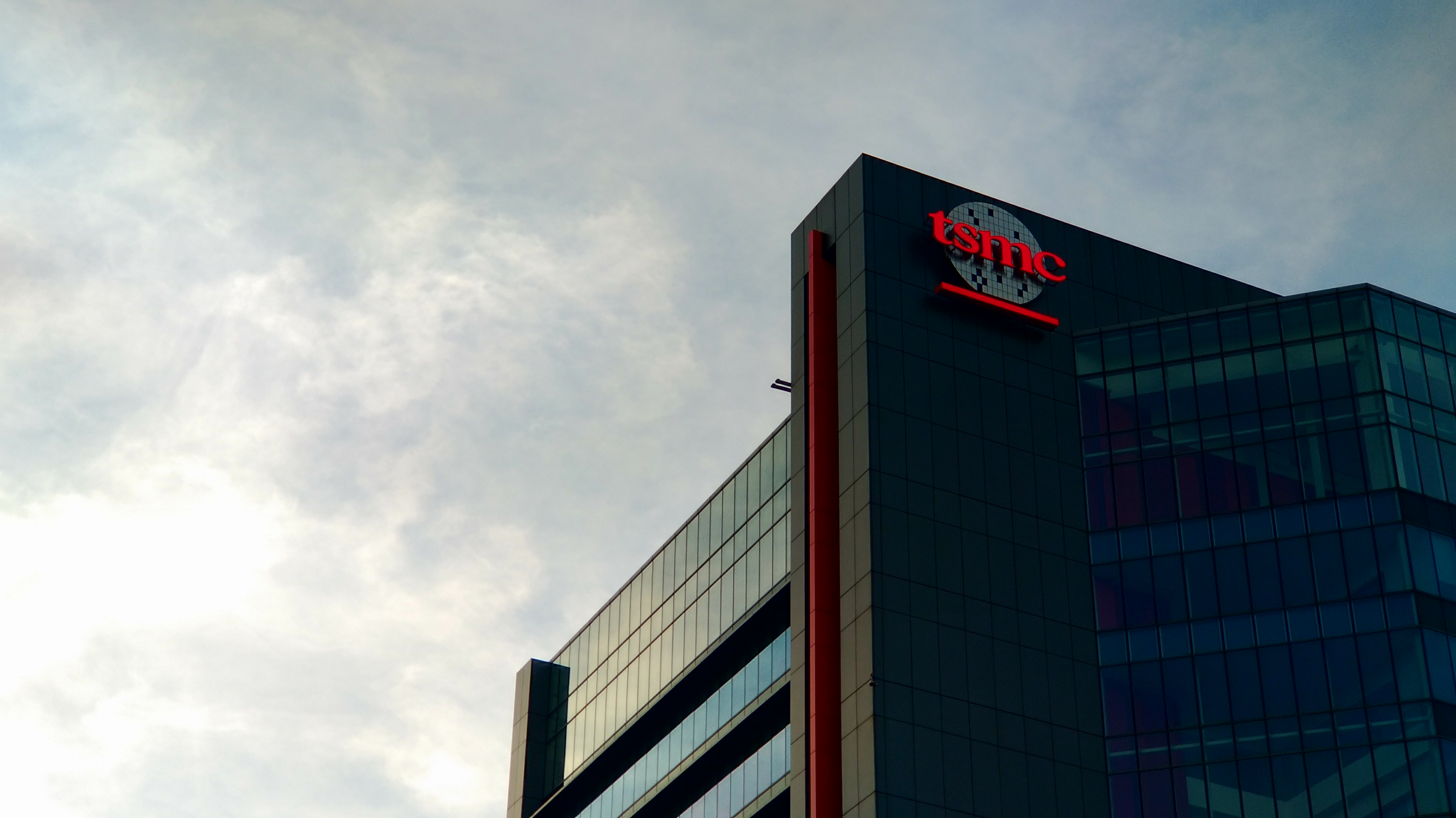
The June figures arrive just days before TSMC’s official second-quarter earnings report, scheduled for July 16. Analysts polled ahead of that release expect the company to report quarterly revenue of about T$1.27 trillion, or roughly $39.62 billion, up 36% from a year earlier and ahead of the company’s own guidance range of $39.0 billion to $40.2 billion. Profit is expected to climb even faster: forecasts point to net income of around T$632.6 billion, or about $19.65 billion, a 59% jump from the second quarter of 2025. If those estimates hold, it would be TSMC’s fifth consecutive quarter of record profit, an unusually long streak even for a company that has ridden the AI wave longer than almost any other chipmaker.
Executives have also pointed to strong gross margin guidance of between 65.5% and 67.5%, and an operating margin range of 56.5% to 58.5%, both of which would represent healthy profitability even by the standards of a company that already commands premium pricing for its most advanced nodes. That pricing power reflects TSMC’s dominant position: it is the primary manufacturer for the most cutting-edge processors designed by Nvidia, Apple, AMD, and a growing list of AI chip startups, few of which have any realistic alternative supplier for chips built on the smallest, most efficient process nodes.
To keep up with that demand, TSMC has committed to record capital spending of between $52 billion and $56 billion in 2026, a 25% increase over what it spent building out capacity in 2025. That money is going toward new and expanded fabrication plants both in Taiwan and overseas, including its growing manufacturing footprint in Arizona, as the company races to add capacity for advanced packaging and leading-edge logic chips. The scale of that investment illustrates a broader dynamic playing out across the semiconductor industry: even as some technology sectors have cooled after last year’s volatility, spending tied to AI infrastructure has continued to accelerate, and TSMC sits at the center of nearly all of it.
The company’s results will also be closely watched as an early indicator for the rest of the tech sector’s second-quarter earnings season, which ramps up over the following weeks. TSMC has historically served as a bellwether for global chip demand given its position supplying nearly every major fabless chip designer in the world. A strong report on July 16 would reinforce the view among investors that AI-related spending remains, in the words of several industry executives in recent weeks, “almost unlimited” — even as questions persist elsewhere in the market about how long that spending pace can be sustained.
Leave a Reply