
Oil markets lurched again this week as the United States and Iran traded fresh strikes around the Strait of Hormuz, the narrow waterway that carries roughly a fifth of the world’s seaborne oil. Brent crude climbed above $79 a barrel — its highest level since June 22 — after U.S. Central Command (CENTCOM) hit Iranian military sites and Tehran responded by firing ballistic missiles at a Jordanian air base. The exchange is the most serious escalation since Washington and Tehran signed a ceasefire memorandum of understanding last month, and it has again put a critical artery of global energy supply in doubt.
What to know:
- Brent crude spiked past $79 a barrel. Futures rose more than 4 percent in a single session, the highest level since June 22, as traders priced in renewed risk to Gulf shipping lanes.
- Iran fired roughly 10 ballistic missiles at Jordan’s Muwaffaq Salti Air Base. Jordanian air defenses intercepted eight of them, and no casualties or major damage were reported.
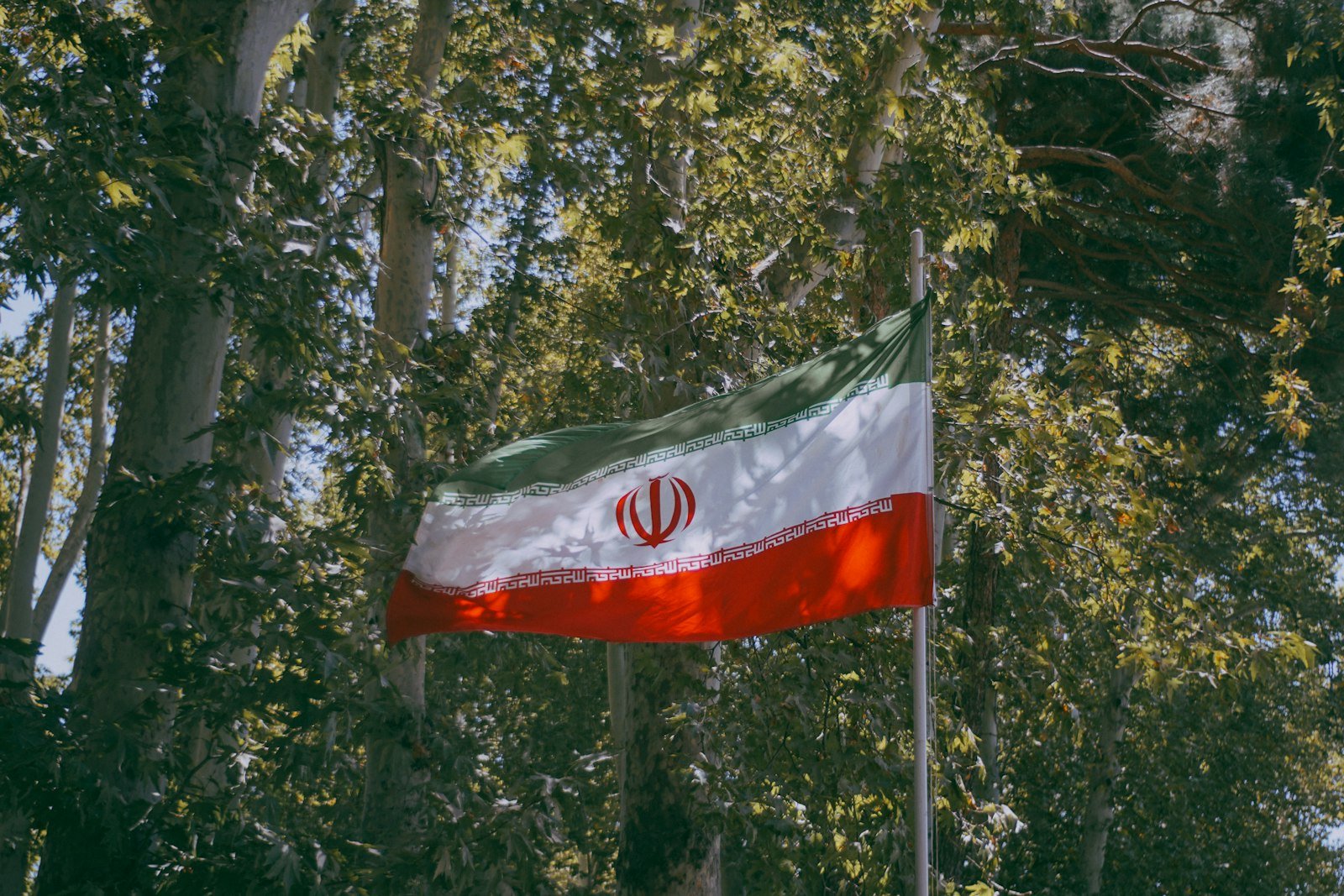
- The IRGC Navy declared the Strait of Hormuz closed on July 12. It said it had fired warning shots at a vessel attempting to cross via an unauthorized route through the strait.
- U.S. strikes hit Iranian rail infrastructure near Bushehr. A railway bridge on the Tehran-Mashhad line was damaged, forcing Iran’s national rail operator to suspend service and arrange bus transport for stranded passengers.
- Maritime traffic through the strait has collapsed. Just six vessels were tracked crossing in a 12-hour window last week, down from 18 to 22 daily crossings earlier in the month.
The current flare-up traces back to July 7, when two tankers — the Qatari-owned LNG carrier Al Rekayat and the Saudi-flagged supertanker Wedyan — were struck by projectiles inside the strait. A third vessel was attacked by Iran’s Revolutionary Guard Corps within 24 hours. Washington responded by reimposing U.S. Treasury sanctions on Iran’s oil exports and by ordering CENTCOM strikes on Iranian military sites near the waterway, reigniting a conflict that a memorandum of understanding had only recently paused.
Iran’s foreign ministry has condemned the American strikes as war crimes, accusing Washington of hitting civilian transportation infrastructure, fishing boats and cargo vessels alongside military targets. Iranian state media reported that U.S. strikes also struck near the Bushehr coastal province, home to the country’s only civilian nuclear power plant, though the facility itself was reportedly not the target. Tehran’s missile barrage on Jordan’s Prince Hassan air base, which Iran said destroyed a command center and drone hangars, marked a rare direct strike on Jordanian territory since the conflict began.

The strait’s significance is hard to overstate: roughly a fifth of global oil consumption, along with a substantial share of liquefied natural gas headed to Asian markets, passes through a shipping lane barely two miles wide at its narrowest point. Iran has threatened to close Hormuz repeatedly over the past two decades without following through, largely because the move would also cut off its own oil exports and invite direct retaliation. The IRGC’s declaration this week that the strait is closed, paired with the sharpest drop in vessel traffic since the crisis began, suggests this round of brinkmanship is being treated more seriously by shippers and insurers than past threats.
For policymakers, the timing compounds an already delicate balancing act. A sustained Hormuz disruption threatens to reverse months of cooling inflation just as central banks had been weighing rate cuts, forcing a choice between tolerating higher energy costs or holding rates higher for longer. Oman and Qatar, which mediated the original ceasefire memorandum, are again pushing both sides to de-escalate, though neither Washington nor Tehran has signaled it is ready to stand down while the other continues strikes. With tanker traffic already thinning and both militaries continuing nightly exchanges, the coming days will likely determine whether this remains a contained exchange of strikes or hardens into a prolonged closure of one of the world’s most important chokepoints.
Leave a Reply