
Diplomacy between the United States and Iran is clinging to life this week, even as President Donald Trump’s rhetoric toward Tehran hit its harshest pitch yet. In a post on Truth Social, Trump declared that “1,000 Missiles are Locked and Loaded” and aimed at Iran, warning that “thousands more” would follow immediately should Tehran act on what he described as a threat to assassinate him. Despite the warning, negotiators from both countries were still expected to hold technical-level talks on July 11, underscoring how narrow and volatile the path back from confrontation has become.
The current diplomatic track dates to June 17, when Washington and Tehran signed a fourteen-point memorandum of understanding opening a sixty-day window for talks. The document covers some of the most contentious issues between the two governments: Iran’s nuclear program, the sanctions regime that has strangled its economy for years, billions of dollars in Iranian assets frozen in banks abroad, and freedom of navigation through the Strait of Hormuz. Notably, the memorandum does not address Iran’s ballistic missile program or its network of regional allies, leaving those questions for future negotiations that officials say will involve Gulf states.
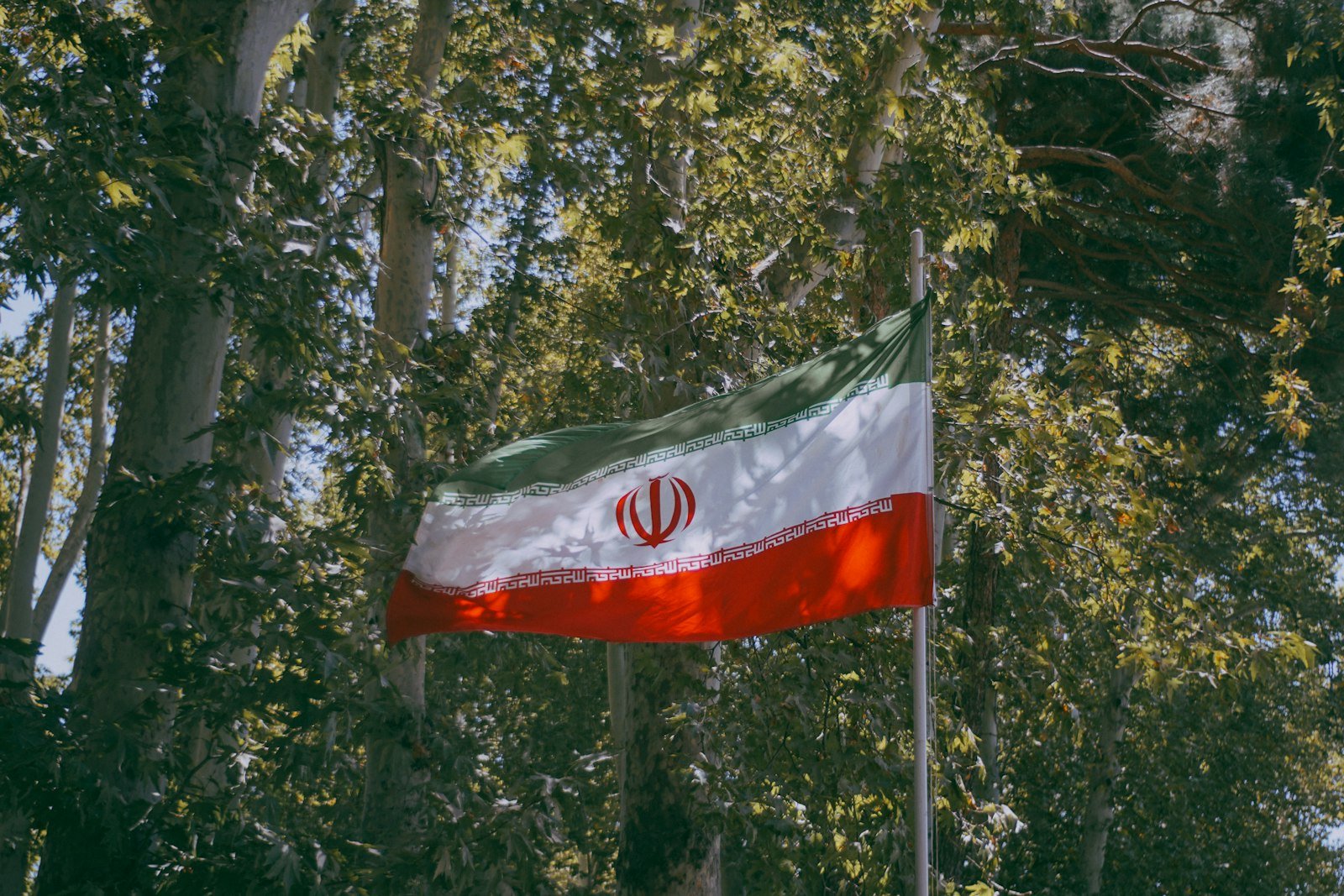
A Fragile Framework Under Strain
The memorandum was always going to be tested, and it did not take long. Negotiating teams met in Doha on June 30 and July 1 for a second round of talks on implementation. But in the days that followed, the US and Iran exchanged military strikes, prompting Trump to declare on July 8 that the memorandum was “over.” Yet the diplomatic channel has not fully closed. Regional mediators, widely understood to include Qatar and Oman, have continued working to pull both sides back from the brink, and a further round of technical discussions remained on the calendar even after Trump’s missile threat.
The president’s warning was unusually explicit. He wrote that “orders have already been given” and that the US military stood “ready, willing, and able” to sustain a yearlong campaign to “completely decimate and destroy all areas of Iran” if Tehran moved against him personally. Iranian officials have not issued a direct threat against Trump’s life in public statements, and the specific intelligence behind his claim has not been independently confirmed. The episode illustrates how quickly the tone of the negotiation can swing between technical diplomacy and open threats of overwhelming force.
“Optics of peace first, details later” is how one regional analysis described the sixty-day framework — a deal built more on the appearance of de-escalation than on resolved substance.
Regional stakeholders are watching closely. Saudi Crown Prince Mohammed bin Salman spoke by phone with Trump this week to discuss the state of the US-Iran talks and broader developments in the Gulf, a reminder that the outcome of this negotiation carries weight far beyond Washington and Tehran. Gulf states have their own security and economic interests riding on whether the Strait of Hormuz remains open and whether Iran’s missile and nuclear programs are curtailed through negotiation rather than further military action.
For now, the memorandum’s sixty-day clock keeps running, even if both governments describe its status in contradictory terms — “over” in one breath, still active enough to justify another round of talks in the next. Analysts note that this kind of ambiguity is not unusual in high-stakes negotiations following military exchanges: public bravado and private diplomacy can proceed on separate tracks. What happens next will likely hinge less on any single statement than on whether both sides continue showing up at the table in Doha, and whether the current lull in strikes holds long enough for negotiators to make progress on the sanctions relief, asset unfreezing, and nuclear verification measures at the heart of the original agreement.
The coming days, including the outcome of the July 11 technical talks, should offer a clearer signal of whether the framework survives its most serious test yet or collapses under the weight of the past week’s escalation.
Leave a Reply