
Iran’s missile strike on Qatar’s Ras Laffan LNG facility signals a dangerous escalation that could disrupt global energy supplies and push the region closer to wider conflict.
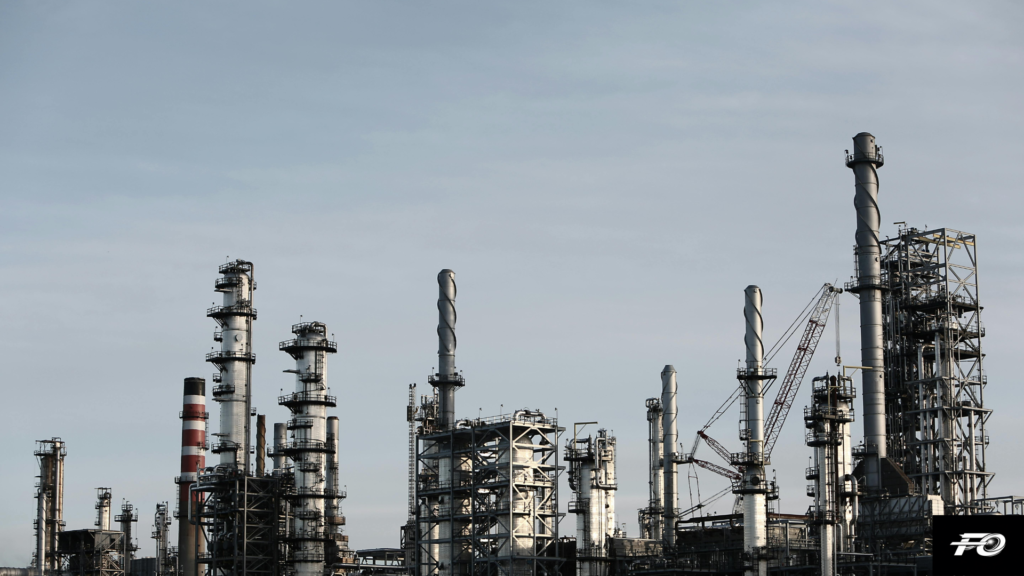
What to know:
- A direct hit on critical global energy infrastructure
Iran targeted Ras Laffan Industrial City, the world’s largest LNG export hub, causing fires and extensive damage while avoiding casualties. This marks a major shift from proxy conflict to direct strikes on global energy systems. - Energy markets reacted instantly and sharply
Oil prices surged above $100 per barrel and LNG prices jumped significantly, reflecting fears of prolonged supply disruption. With Qatar supplying a large share of global LNG, even temporary outages can ripple across Asia and Europe. - The region is approaching a critical escalation point
The attack increases the risk of wider conflict involving Gulf states, the United States, and possibly Israel. While diplomacy remains possible, continued tit-for-tat strikes are currently the most likely scenario.
Artificial intelligence and digital power often dominate discussions about the future, but energy remains the backbone of global stability. When energy infrastructure is threatened, the impact is immediate, visible, and global. That is why the recent Iranian strike on Qatar’s Ras Laffan facility is far more than a regional incident, it is a signal of how fragile the world’s energy system has become.
Historically, conflicts in the Middle East have repeatedly influenced global markets. From the oil shocks of the 1970s to attacks on pipelines and tankers in recent decades, energy infrastructure has always been both a strategic asset and a vulnerability. However, direct attacks on facilities as critical as Ras Laffan which are responsible for a significant share of global LNG exports are rare and represent a serious escalation.
Today, the situation is evolving rapidly. Iran’s missile strikes on Gulf energy sites, combined with ongoing tensions involving Israel and the United States, are reshaping the geopolitical landscape. Markets are reacting, supply chains are tightening, and governments are preparing for multiple possible scenarios.
The 2019 Saudi Aramco Attack — When Energy Became a Battlefield
In September 2019, one of the most significant attacks on energy infrastructure in modern history took place. Drone and missile strikes targeted Saudi Arabia’s Abqaiq and Khurais oil facilities, two of the most critical oil processing sites in the world. Within hours, the attack disrupted approximately 5% of global oil supply, exposing how vulnerable the global energy system really is.
The market reaction was immediate and dramatic. Oil prices surged nearly 20% in a single day, marking the largest jump in decades, as traders feared a prolonged supply shock. Governments scrambled to stabilize markets, with the United States even considering releasing strategic oil reserves to calm the situation.
Beyond the economic shock, the attack carried deep geopolitical implications. It intensified tensions between Iran, Saudi Arabia, and the United States, raising fears of direct military confrontation. The event demonstrated that even heavily protected facilities could be targeted, shifting how nations think about energy security and defense.
Most importantly, the incident revealed a critical reality: modern economies depend on a small number of highly concentrated energy hubs. When one of these hubs is disrupted the effects ripple across global markets, supply chains, and political stability. This same vulnerability is now being tested again in the Gulf today.
Leave a Reply